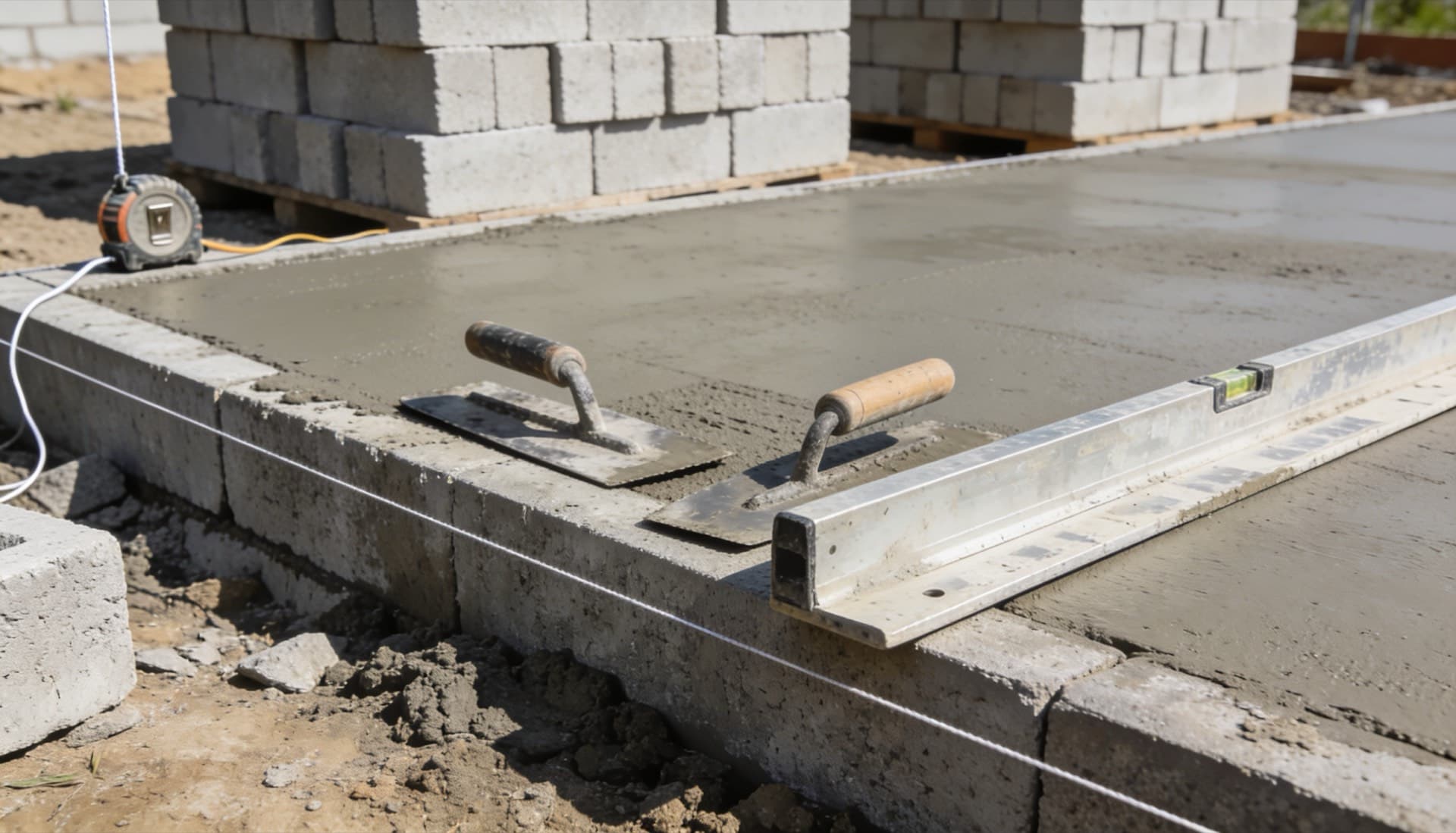
Coverage built for silica dust, heavy pours, and cured concrete
Cutting, grinding, and pouring concrete carries its own regulatory and physical risk, long before a crack shows up after the cure. We connect you with specialists who understand concrete and masonry work specifically.
What OSHA, licensing & job sites require
We make sure your coverage meets the bar — and issue the certificates and filings you need to prove it.
- OSHA respirable-silica controls (water delivery or vacuum dust collection) required any time you cut or grind concrete or masonryRequired
- State contractor license — proof of general liability is usually required to hold or renew itRequired
- Workers' comp for crews handling heavy material and power saws, required in nearly every stateRequired
Licensed Concrete Or Masonry Contractor Specialists Nationwide
A specialist who knows your state's licensing rules and can issue the certificates and filings you need.
What concrete & masonry need to be covered
Concrete and masonry work combines heavy material handling, silica-dust exposure regulated by federal rule, and a finished product that can crack or settle well after the crew has moved on. The right policy accounts for all three, not just the day-of accident risk most contractor policies are built around.
General Liability
Covers third-party bodily injury, property damage, and advertising injury claims — the foundational policy nearly every business carries.
Workers' Compensation
Pays medical bills and lost wages when an employee is injured on the job. Required in most states once you have employees.
Commercial Auto
Covers vehicles used for business — liability, collision, and physical damage for owned, hired, and non-owned autos.
Inland Marine
Covers tools, equipment, and goods while in transit or away from your primary location — beyond standard property limits.
Commercial Umbrella
Extends the limits of your underlying liability policies for large claims that could otherwise threaten the business.
Commercial Property
Protects your building, inventory, equipment, and furnishings against fire, theft, storms, and other covered losses.
Where concrete & masonry get exposed
These are the scenarios our specialists see most often in your industry — and the coverage that responds when they happen.
Protect against these risksRespirable silica dust exposure
Cutting or grinding concrete and masonry releases fine silica dust, regulated under a federal OSHA standard because of its long-term lung-disease risk. Workers' comp covers medical costs tied to on-the-job health exposure.
Cracking or settling discovered after the cure
A slab that cracks or a wall that settles weeks after the pour is a completed-operations claim — general liability that follows the job past the day the concrete finished curing.
Heavy-material handling injuries
Concrete bags, block, and rebar are physically demanding to move and place, and back and lifting injuries are common. Workers' comp covers medical costs and lost wages.
Damage to adjacent property from equipment or forms
Mixers, saws, and formwork on a tight job site can damage a client's driveway, landscaping, or a neighboring structure. General liability covers the third-party repair costs.
Why concrete & masonry can't skip coverage
- OSHA requires specific engineering controls — like water delivery or vacuum dust collection — any time you cut or grind concrete or masonry, independent of any insurance claim it might also prevent.
- Many state licensing boards require proof of active general liability insurance to issue or renew a concrete or masonry contractor's license.
- Workers' compensation is legally required in nearly every state, and the heavy physical demands of concrete and masonry work carry a real injury profile insurers price for specifically.
By the numbers
50 μg/m³
OSHA silica exposure limit (8-hr TWA)
2,500–5,000
Estimated new silicosis cases per year (US)
60+
Specialists in our network
Concrete & Masonry insurance FAQ
They're related but distinct — OSHA's silica standard requires specific engineering controls (like water or vacuum dust collection) independent of insurance, while workers' comp covers medical costs if an employee develops a job-related health condition.
Get matched with a concrete or masonry contractor specialist
Share a few details and a licensed agent who understands concrete & masonry will reach out with tailored options. No cost, no obligation.
- Takes about 2 minutes
- One specialist, start to finish
- We compare multiple A-rated carriers
- Licensed to serve clients in your state